
Listening to the Forest: How Acoustic Monitoring Detects Biodiversity Shifts Before Sight Catches Up
When the Forest Goes Quiet Before the Trees Fall
A forest can appear intact while its ecological fabric is already beginning to loosen. The canopy may remain green, trails may look unchanged, and a conventional walk-through survey may record little more than familiar species. Yet the first signs of stress often emerge in the sounds between the trees: fewer dawn choruses, altered frog calls, reduced insect activity, or a growing dominance of traffic, machinery, and other human noise. For community land managers, these changes matter because they can precede obvious habitat loss by years.
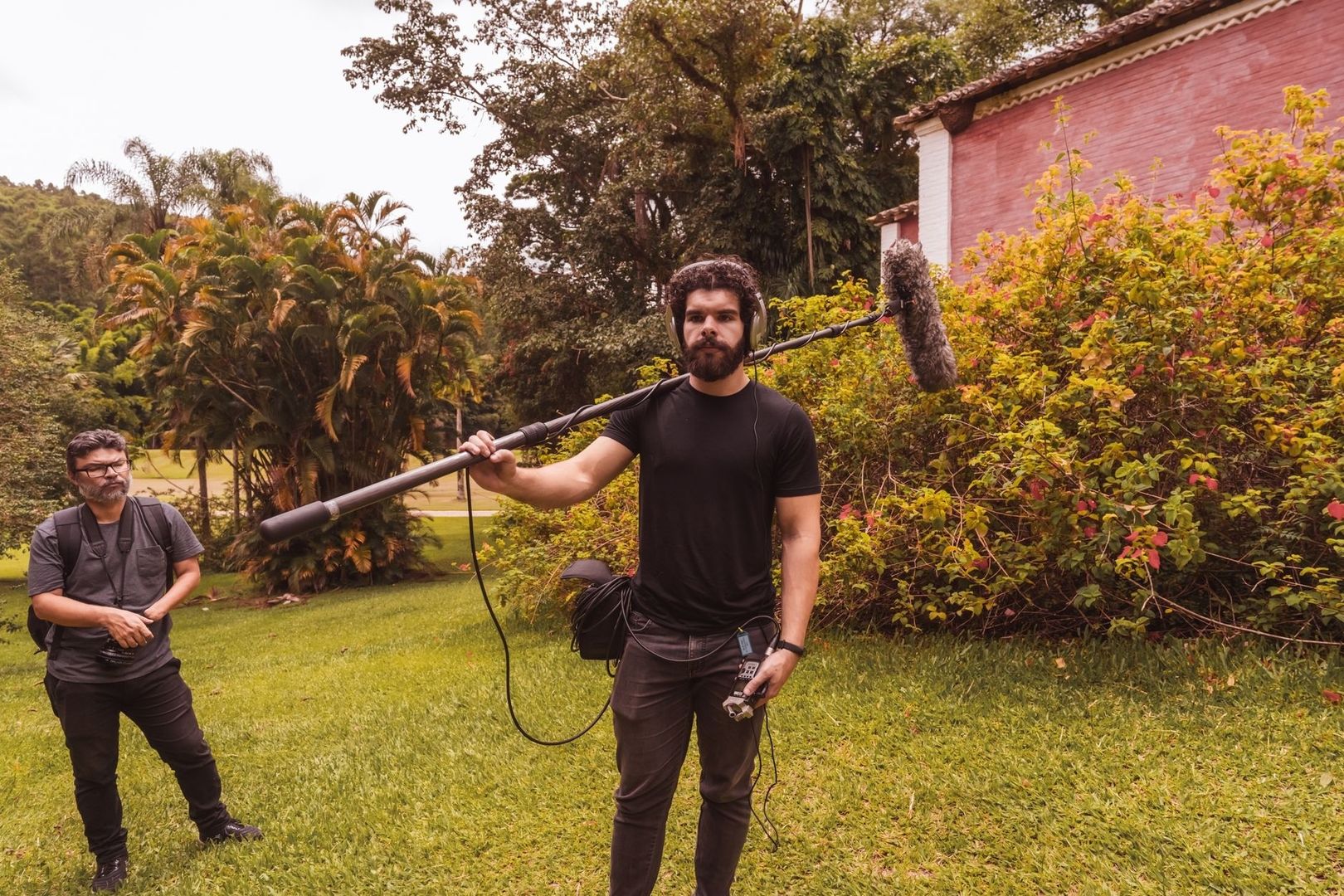
Passive acoustic monitoring provides a way to detect those early shifts without repeatedly entering sensitive habitat or disturbing wildlife. Small autonomous recorders can collect scheduled samples through the day and night, creating a continuous ecological record that human observers cannot match. A compact wildlife acoustic recorder can help document birds, amphibians, insects, and other vocal animals while the forest continues its ordinary rhythms. When recordings are compared across seasons and years, subtle changes in the soundscape can reveal fragmentation, drought stress, altered species activity, and declining ecological resilience before canopy degradation becomes visible.
Decoding the Forest Soundscape
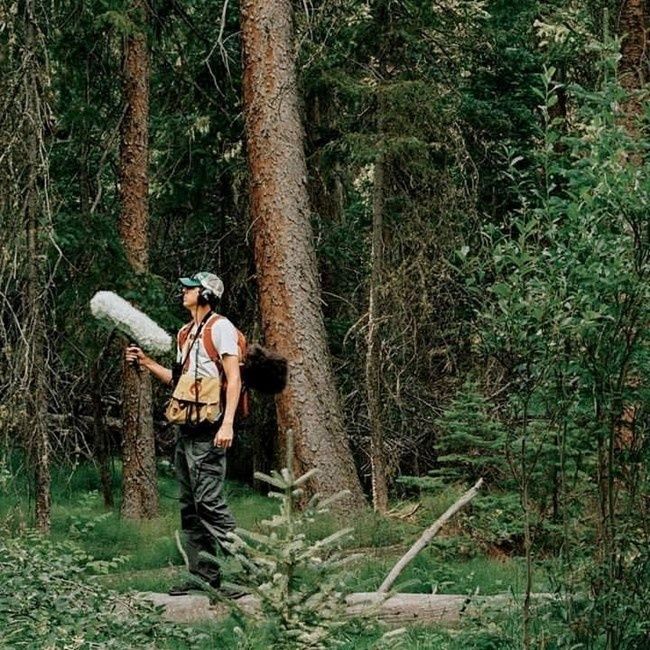
A forest soundscape is not simply a collection of pleasant natural noises. It is an ecological record made up of several overlapping sources. Biophony refers to sounds produced by living organisms, including bird song, frog calls, insect choruses, mammal vocalizations, and sometimes the movement or feeding activity of animals. Geophony includes nonliving natural sounds such as rainfall, running water, wind through foliage, and thunder. Anthrophony describes human-generated sound, from roads and aircraft to chainsaws, recreation, voices, and distant industrial activity.
Separating these components helps land stewards ask better questions. A reduction in biophony may indicate fewer animals, changed breeding behavior, or a shift in the timing of activity. A rise in anthrophony can mask calls even when species remain present, potentially changing where animals feed, mate, or raise young. Geophony provides essential context because wind, rain, and stream flow strongly influence what a recorder captures on any given day. Soundscape ecology therefore works best through repeated measurement rather than isolated recordings.
The acoustic niche hypothesis offers another useful framework. It proposes that species sharing an environment can reduce competition by occupying different acoustic spaces, such as separate frequency bands, time periods, or locations. In a healthy forest, one species may call in the low-frequency range at dawn while another uses a higher frequency later in the morning. Insects may dominate the afternoon, and amphibians may become prominent after rainfall. When habitat complexity declines, that layered arrangement can simplify. Fewer species may be active, calls may become less diverse, or human noise may occupy the same frequencies used by wildlife.
- Acoustic diversity describes how many distinct sound types occur and how evenly they are represented.
- Acoustic complexity reflects variation across frequencies and time, often offering a broad indicator of biological activity.
- Acoustic similarity helps compare one recording period or habitat patch with another and can expose gradual changes that individual listeners miss.
An Acoustic Complexity Index, or ACI, is one commonly used measure. It evaluates variation in sound intensity across frequency bands and time intervals. A complex, active soundscape may produce a different index pattern from a quiet, heavily disturbed, or biologically simplified site. The measure is not a direct species count, and it should never replace field knowledge. However, when interpreted alongside species detections, weather records, vegetation surveys, and land-use information, it can provide a practical signal of habitat condition. Recent work on soundscape visualization, including research published in Frontiers in Ecology and Evolution, demonstrates how automated clustering and acoustic similarity can reveal daily patterns and relationships among complex sound events.
Comparing Visual Surveys and Acoustic Monitoring
Visual point-counts remain valuable. An experienced observer can identify behavior, inspect vegetation, notice tracks, and distinguish species that produce similar sounds. However, point-counts are typically limited to daylight hours, suitable weather, accessible locations, and the endurance of the survey team. Detection also depends on observer skill and position. A quiet bird in dense foliage may be missed, while a loud individual close to the observer may receive disproportionate attention. Repeating surveys across large community forests can become expensive and difficult to coordinate.
Autonomous recorders extend coverage rather than making field observers unnecessary. They can sample before sunrise, during nocturnal amphibian activity, and through periods when staff are unavailable. Units such as the Song Meter Mini 2 AA are advertised with up to 530 hours of deployment using eight AA alkaline batteries, along with weather-resistant housing and a tripod mount. Specifications and field settings should always be checked against the manufacturer”s current recorder guidance. The broader monitoring principle is straightforward: standardized recording creates a repeatable archive that can be revisited as identification tools improve.
| Monitoring consideration | Visual point-counts | Passive acoustic monitoring |
|---|---|---|
| Time coverage | Usually short, scheduled daytime visits | Scheduled sampling across day and night |
| Labor demand | Requires trained observers in the field | Requires deployment, maintenance, and later analysis |
| Disturbance | People may alter animal behavior or flush wildlife | Generally non-invasive once installed |
| Spatial limits | Restricted by observer access and audibility | Multiple units can cover remote or difficult terrain |
| Early-warning value | Strong when repeated by skilled observers | Strong for detecting timing, activity, and soundscape shifts over time |
The strongest programs combine both approaches. Acoustic data can flag a decline in frog activity at a wetland edge, for example, while a field visit investigates water levels, vegetation, disease, or nearby disturbance. Visual surveys then help verify whether the acoustic change reflects fewer animals, altered calling behavior, or simply unfavorable recording conditions. Guidance and applied research collected by the US Forest Service Science You Can Use collection similarly emphasizes translating monitoring information into decisions that land managers can apply.
Field Guide to Deploying Passive Acoustic Units
Deployment quality determines whether recordings become useful evidence or an expensive pile of difficult-to-interpret files. Begin with the ecological question, not the equipment. A unit intended for songbirds may need a different microphone position and sampling schedule from one intended for frogs or bats. Consider the target species, expected calling distance, seasonal activity, prevailing wind, rainfall exposure, and nearby sources of mechanical noise.
Height and microhabitat matter. Mounting a recorder too low can increase the sound of footsteps, small mammals, and ground-level vegetation movement. Mounting it too high may reduce detection of low-calling amphibians or make maintenance difficult. Canopy shelter can protect equipment from direct rain and intense sunlight, but dense foliage can also block or absorb sound. Avoid placing the microphone directly beside a moving branch, stream splash, road, or fence unless that feature is specifically part of the study. Record the exact location, height, orientation, date, habitat description, and equipment settings so later comparisons remain defensible.
Battery intervals and sampling frequencies should match the biology. Continuous recording creates a rich archive but consumes storage and power quickly. Scheduled samples, such as several minutes every hour, may provide adequate trend data while extending deployment. Higher sample rates are necessary for high-frequency taxa, while lower rates may be appropriate for many birds, frogs, and larger mammals. Pilot tests are essential. A short trial can reveal wind distortion, microphone saturation, weak batteries, or excessive background noise before equipment is left unattended.
- Define the monitoring question. Identify the indicator taxa, seasons, habitats, and management decisions that the recordings should inform.
- Select representative locations. Include reference areas, habitat edges, disturbed sites, and restoration areas where comparisons can reveal change.
- Standardize installation. Use consistent height, orientation, recording schedule, file format, and metadata. Photograph each installation and log weather conditions.
- Inspect and review. Check batteries, housings, memory cards, and microphones on a planned schedule. Listen to test files before scaling up and document every adjustment.
Community stewardship benefits from simple standards that everyone can follow. A shared deployment form, common file naming system, and map of recorder locations can prevent confusion when volunteers, conservation groups, and land agencies contribute data. Place units where they can be secured without damaging trees, and consider theft, flooding, fire, and wildlife interference. The goal is not to collect the greatest possible volume of audio. It is to create a reliable seasonal baseline against which meaningful change can be recognized.
Translating Audio Files into Actionable Stewardship
Large acoustic projects quickly generate more recordings than a person can review manually. Automated sound identification algorithms can scan files for likely bird, frog, insect, or mammal calls and highlight periods that deserve attention. Acoustic indices can summarize activity, while clustering tools can group similar sound events and reveal changes in daily timing. These methods save labor, but they are not infallible. Wind, rain, overlapping calls, microphone differences, and unfamiliar regional vocalizations can produce false positives or missed detections.
Human validation remains especially important for unusual records and management decisions. Community volunteers can be trained to review a small set of flagged clips, label confidence levels, and identify recurring sources of confusion. This creates a useful partnership between automated processing and local knowledge. A teacher, birder, ranger, or long-term resident may recognize a call pattern that a general-purpose algorithm has not learned. Careful validation also gives volunteers a direct role in stewardship rather than treating monitoring as data collection alone.
- Establish a baseline. Compare the same sites across equivalent seasons before interpreting a single unusual week.
- Track indicator vocalizations. Select species linked to wetlands, mature forest, riparian habitat, or other management priorities.
- Investigate sustained declines. Check weather, equipment performance, vegetation, water conditions, predators, disease, and nearby noise before assigning a cause.
- Connect findings to decisions. Adjust restoration timing, restrict disruptive activities during breeding periods, protect quiet refuges, or prioritize follow-up surveys.
If indicator vocalizations dwindle across several monitoring periods, management should respond proportionately and quickly. A decline in nocturnal frog calls may justify checking drainage, water quality, and breeding pools. Reduced dawn bird activity along a forest edge may prompt an assessment of lighting, traffic, invasive vegetation, or corridor connectivity. Acoustic monitoring does not explain every ecological change by itself, but it can shorten the distance between warning and investigation. That speed is often the difference between preventing a problem and documenting damage after it has become visible.
Tune Your Land Management to the Unseen Frequencies
Passive acoustic monitoring closes an important gap between visible destruction and early ecological decline. Trees may stand for decades after the community of insects, birds, and amphibians around them has begun to change. A soundscape can register altered activity, disrupted timing, and growing human pressure while there is still time to protect habitat, restore connectivity, or reduce disturbance. Used carefully, acoustic evidence strengthens rather than replaces field observation, local ecological knowledge, and direct habitat assessment.
Start with one seasonal pilot in a clearly defined habitat. Choose a small number of representative sites, establish a consistent recording schedule, document weather and equipment settings, and review a manageable sample of files with trained community members. Repeat the process across the same period next year. Over time, those recordings can become a local ecological archive, supporting restoration plans, education, grant applications, and practical decisions about access and land use. Listening attentively is not passive. It is a disciplined form of stewardship that helps communities notice change early enough to act.
By Magnus
- 9, Sep, 2026
- 0 Comments